
Aerospace CNC Machining: Standards, Materials, and Challenges
Home
/
Blog
/
Aerospace CNC Machining: Standards, Materials, and Challenges
Aerospace CNC Machining: Standards, Materials, and Challenges
May 7, 2026
Table of Contents
Introduction
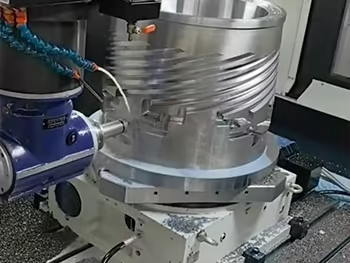
In the aerospace industry, there is no room for error. Every component—whether it’s a turbine blade, structural bracket, or landing gear part—must meet extremely tight tolerances and perform reliably under harsh conditions. This is why CNC machining has become a cornerstone of aerospace manufacturing.
CNC machining for aerospace is not just about cutting metal; it’s about precision engineering, compliance with strict standards, and selecting the right materials to ensure safety and performance. Whether you are an aerospace engineer, procurement specialist, or OEM manufacturer, understanding the standards, materials, and challenges involved can help you make informed decisions and choose the right machining partner.
In this comprehensive guide, we’ll explore everything you need to know about aerospace CNC machining—from key standards and materials to real-world challenges and best practices.
What Is CNC Machining for Aerospace?
CNC machining in aerospace refers to the use of computer-controlled equipment to manufacture high-precision components used in aircraft, spacecraft, and defense systems.
Unlike general machining, aerospace CNC machining requires:
- Ultra-tight tolerances (often within ±0.001 inches or tighter)
- High repeatability for production consistency
- Complex geometries (multi-axis machining)
- Strict adherence to industry standards
Common Aerospace CNC Processes
- CNC milling (3-axis, 4-axis, 5-axis)
- CNC turning
- Electrical discharge machining (EDM)
- Grinding and finishing
Key Aerospace Machining Standards
To ensure safety and reliability, aerospace machining must comply with internationally recognized standards and certifications.
1. AS9100 Quality Management System
AS9100 is the most important standard for aerospace manufacturing. It builds on ISO 9001 but includes additional requirements specific to aviation, space, and defense industries.
Key aspects include:
- Risk management
- Traceability of materials and processes
- Documentation and quality control
- Supplier management
2. ISO 9001 Certification
While more general, ISO 9001 ensures that a machining company follows a structured quality management system.
3. ITAR Compliance
ITAR (International Traffic in Arms Regulations) governs the production of defense-related components in the United States.
- Controls export of sensitive technology
- Requires strict data protection
- Essential for defense aerospace projects
4. NADCAP Accreditation
NADCAP focuses on special processes such as:
- Heat treatment
- Coating and plating
- Non-destructive testing (NDT)
Why Standards Matter
Compliance ensures:
- Safety of flight-critical components
- Consistent product quality
- Trust from aerospace clients
- Legal and regulatory compliance
Materials Used in Aerospace CNC Machining
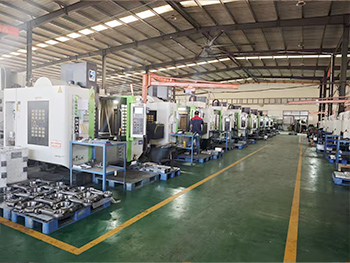
Material selection is critical in aerospace applications because parts must withstand extreme temperatures, pressure, and mechanical stress.
1. Aluminum Alloys
Aluminum is widely used due to its lightweight and corrosion resistance.
Common Grades:
- 6061 – General-purpose structural components
- 7075 – High strength for aircraft structures
Benefits:
- Excellent strength-to-weight ratio
- Easy machinability
- Cost-effective for large-scale production
Applications:
- Aircraft frames
- Wing components
- Housings
2. Titanium Alloys
Titanium is a premium aerospace material known for its strength and heat resistance.
Benefits:
- Exceptional strength-to-weight ratio
- High corrosion resistance
- Withstands extreme temperatures
Challenges:
- Difficult to machine
- High tool wear
- Expensive
Applications:
- Jet engine components
- Structural parts
- Fasteners
3. Stainless Steel
Used where strength and corrosion resistance are critical.
Common Grades:
- 304 – General corrosion resistance
- 316 – Marine and chemical environments
Applications:
- Hydraulic systems
- Structural supports
4. High-Performance Plastics
Advanced plastics are used in non-structural aerospace components.
Examples:
- PEEK
- PTFE
- Ultem
Benefits:
- Lightweight
- Chemical resistance
- Electrical insulation
Material Comparison Table for Aerospace CNC Machining
Aerospace Material Selection Overview
| Material | Weight | Strength | Heat Resistance | Machinability | Typical Use |
|---|---|---|---|---|---|
| Aluminum | Light | Medium-High | Moderate | Excellent | Structures |
| Titanium | Very Light | Very High | Excellent | Difficult | Engines |
| Steel | Heavy | Very High | High | Moderate | Load-bearing |
| Plastics | Very Light | Low-Medium | Low-Moderate | Excellent | Insulation |
Challenges in Aerospace CNC Machining
Aerospace machining is one of the most demanding manufacturing processes. Here are the key challenges:
1. Tight Tolerances
Aerospace parts often require tolerances as tight as ±0.0005 inches.
- Requires high-precision machines
- Strict quality inspection
- Advanced measurement tools
2. Complex Geometries
Many aerospace components have intricate designs.
- Requires 5-axis CNC machining
- Multi-step processes
- Advanced CAM programming
3. Difficult-to-Machine Materials
Materials like titanium and Inconel:
- Generate high heat
- Cause rapid tool wear
- Require specialized tooling
4. Strict Quality Control
Every part must meet regulatory standards.
- Full traceability
- Documentation at every step
- Non-destructive testing
5. High Production Costs
Factors that increase cost:
- Expensive materials
- Long machining times
- High rejection risk
Best Practices for Aerospace CNC Machining
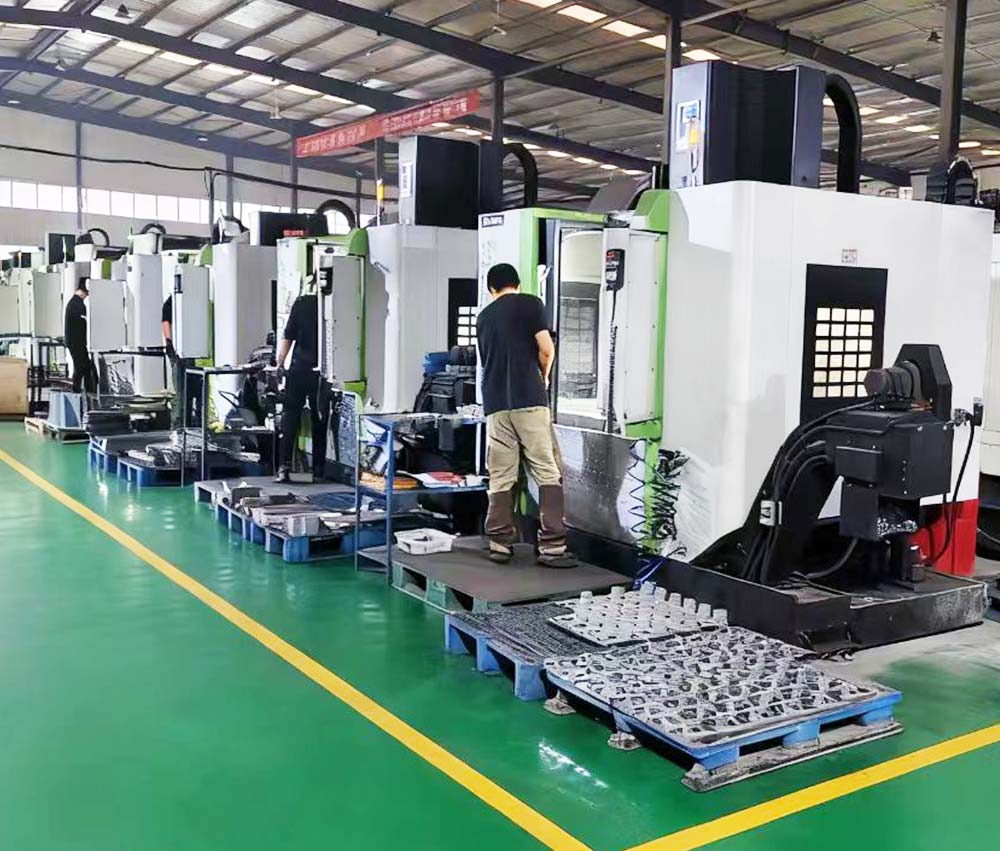
To overcome these challenges, manufacturers follow industry best practices:
1. Design for Manufacturability (DFM)
- Simplify complex geometries
- Optimize tolerances
- Reduce machining time
2. Use Advanced CNC Technology
- 5-axis machines for complex parts
- High-speed machining
- Automation for consistency
3. Tooling Optimization
- Use coated cutting tools
- Optimize cutting parameters
- Monitor tool wear
4. Quality Assurance Systems
- Implement real-time inspection
- Use CMM (Coordinate Measuring Machines)
- Maintain full traceability
5. Partner with Experienced Suppliers
Choosing the right CNC machining partner is critical in aerospace manufacturing.
Look for:
- AS9100 certification
- Proven aerospace experience
- Advanced equipment
- Strong engineering support
Conclusion
CNC machining for aerospace is a highly specialized field that demands precision, expertise, and strict adherence to standards. From selecting the right materials like aluminum and titanium to overcoming challenges such as tight tolerances and complex geometries, every step requires careful planning and execution.
By understanding the standards, materials, and challenges involved, you can make better decisions, reduce risks, and ensure the success of your aerospace projects.
FAQ
Why is CNC machining important in aerospace?
CNC machining is essential in aerospace because it provides the precision, consistency, and reliability required for safety-critical components. It allows manufacturers to produce complex parts with tight tolerances that meet strict regulatory standards.
What materials are most commonly used in aerospace machining?
The most commonly used materials include aluminum, titanium, stainless steel, and high-performance plastics. Each material is selected based on factors like weight, strength, temperature resistance, and application requirements.
What tolerance is required for aerospace parts?
Aerospace components typically require extremely tight tolerances, often within ±0.001 inches or even tighter. These strict tolerances ensure proper fit, performance, and safety in critical applications.
What certifications should a CNC machining supplier have?
A reliable aerospace CNC machining supplier should have certifications such as AS9100, ISO 9001, and possibly NADCAP. For defense-related work, ITAR compliance is also essential.
What are the biggest challenges in aerospace CNC machining?
Key challenges include machining difficult materials like titanium, maintaining tight tolerances, managing high costs, ensuring quality control, and producing complex geometries.
Need a Reliable Aerospace CNC Machining Partner?
If you’re looking for precision aerospace components that meet the highest industry standards, our team is here to help. We specialize in high-precision CNC machining with strict quality control, advanced equipment, and expert engineering support. Contact us today for a customized solution and take your aerospace project to the next level.
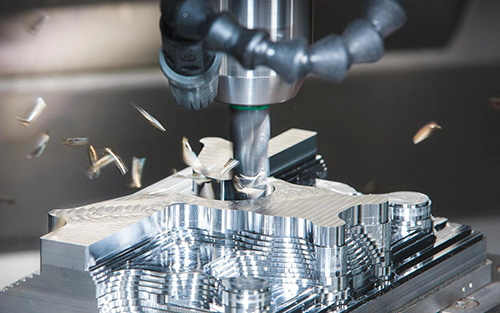
Latest News
Contact Us
FAQ
What types of parts can be machined?
We can machine a wide range of high-precision CNC parts for automotive, aerospace, medical devices, industrial machinery, and automation equipment, including complex geometries and custom non-standard parts.
What is the machining accuracy?
We can achieve high-precision machining with ±0.005mm tolerance and ensure consistent quality through our strict quality control system.
Can you provide small-batch and prototype manufacturing services?
Yes, we support small-batch production and prototype machining, with flexible scheduling to meet urgent client requirements.
Do you offer customized processing solutions?
Yes, we provide customized solutions with one-on-one technical support, from design review and process optimization to final machining.
How long does delivery usually take?
Delivery time depends on part complexity and quantity, typically within 1-6 weeks. We provide a detailed schedule upon order confirmation.
What certifications are available for quality management systems?
We hold ISO 9001, ISO 14001, and ISO 45001 certifications, strictly following international quality, environmental, and safety standards.
How long does delivery usually take?
Delivery time depends on part complexity and quantity, typically within 1-6 weeks. We provide a detailed schedule upon order confirmation.