
What Materials Are Used in CNC Machining? (Aluminum, Steel, Plastics)
Home
/
Blog
/
What Materials Are Used in CNC Machining? (Aluminum, Steel, Plastics)
What Materials Are Used in CNC Machining? (Aluminum, Steel, Plastics)
April 30, 2026
Table of Contents
Introduction
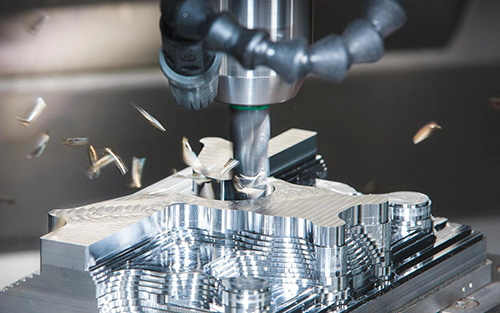
If you are sourcing custom parts or evaluating manufacturing options, one of the most critical decisions you will face is material selection. In CNC machining, the material you choose directly affects cost, strength, durability, weight, corrosion resistance, and overall performance of the final product.
From lightweight aluminum components to high-strength steel parts and versatile plastics, CNC machining supports a wide range of materials to meet diverse industry needs. Whether you are an engineer designing a prototype or a procurement manager looking for a reliable supplier, understanding these materials can help you make smarter decisions and reduce production risks.
In this guide, we will break down the most commonly used materials in CNC machining—aluminum, steel, and plastics—along with their properties, applications, advantages, and selection tips.
What Is CNC Machining and Why Material Selection Matters
CNC machining (Computer Numerical Control machining) is a subtractive manufacturing process where computer-controlled machines remove material from a solid block (called a workpiece) to create precise parts.
Material selection is crucial because it determines:
- Machinability (ease of cutting and shaping)
- Mechanical strength and durability
- Surface finish quality
- Cost and production efficiency
- Environmental resistance (heat, corrosion, chemicals)
Choosing the wrong material can lead to higher costs, part failure, or delays in production.
Common Materials Used in CNC Machining
CNC machining typically involves three major material categories:
- Metals (Aluminum, Steel, Stainless Steel, Titanium)
- Plastics (ABS, Nylon, PEEK, Acrylic)
- Specialty materials (Composites, Brass, Copper)
In this article, we will focus on the three most widely used groups: aluminum, steel, and plastics.
Aluminum in CNC Machining
Why Aluminum Is So Popular
Aluminum is one of the most widely used materials in CNC machining due to its excellent balance of strength, weight, and machinability.
Key Properties of Aluminum
- Lightweight with high strength-to-weight ratio
- Excellent corrosion resistance
- Good thermal and electrical conductivity
- Easy to machine and cost-effective
- Suitable for anodizing and surface finishing
Common Aluminum Grades
| Grade | Characteristics | Typical Use |
|---|---|---|
| 6061 | General-purpose, corrosion-resistant | Automotive, aerospace |
| 7075 | High strength, less corrosion resistance | Aerospace, military |
| 2024 | High fatigue resistance | Aircraft structures |
Applications
- Aerospace components
- Automotive parts
- Electronic enclosures
- Consumer products
Advantages
- Fast machining speeds
- Lower tooling wear
- Cost-efficient for prototypes and production
Steel in CNC Machining
Why Steel Is Used
Steel is known for its exceptional strength and durability, making it ideal for structural and heavy-duty applications.
Types of Steel Used in CNC Machining
1. Carbon Steel
- Strong and cost-effective
- Used in construction and machinery
2. Alloy Steel
- Enhanced mechanical properties
- Suitable for high-stress environments
3. Stainless Steel
- Corrosion-resistant
- Ideal for medical and food-grade applications
Common Steel Grades
| Grade | Features | Application |
|---|---|---|
| 1018 | Mild steel, easy to machine | General components |
| 4140 | High strength, wear-resistant | Industrial parts |
| 304 | Corrosion-resistant | Food, medical |
| 316 | High corrosion resistance | Marine, chemical |
Applications
- Industrial machinery
- Medical devices
- Structural components
- Oil & gas equipment
Advantages
- High strength and durability
- Long lifespan
- Heat and wear resistance
Plastics in CNC Machining
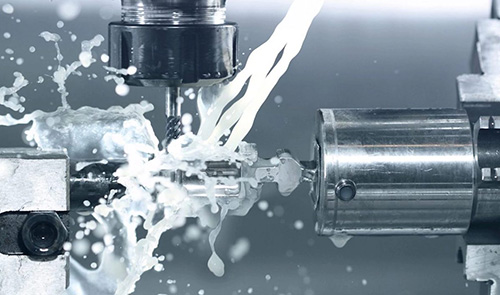
Why Plastics Are Used
Plastic materials are widely used in CNC machining for lightweight, corrosion-resistant, and cost-effective applications.
Common CNC Machining Plastics
| Material | Key Features | Applications |
|---|---|---|
| ABS | Impact-resistant, low cost | Prototypes, housings |
| Nylon | High wear resistance | Gears, bearings |
| PEEK | High temperature resistance | Aerospace, medical |
| Acrylic (PMMA) | Transparent, aesthetic | Displays, covers |
Benefits of Plastics
- Lightweight and flexible
- Resistant to chemicals and corrosion
- Lower material cost
- Ideal for rapid prototyping
Applications
- Medical devices
- Consumer electronics
- Automotive interiors
- Insulation components
Aluminum vs Steel vs Plastics: Comparison Table
Material Comparison Overview
| Property | Aluminum | Steel | Plastics |
|---|---|---|---|
| Weight | Lightweight | Heavy | Very lightweight |
| Strength | Medium-High | Very high | Low-Medium |
| Corrosion Resistance | High | Medium-High (stainless) | Excellent |
| Machinability | Excellent | Moderate | Excellent |
| Cost | Moderate | Moderate-High | Low-Moderate |
| Applications | Aerospace, electronics | Industrial, structural | Medical, consumer |
How to Choose the Right Material for CNC Manufacturing
Selecting the right material depends on your specific project requirements. Here are the key factors to consider:
1. Mechanical Requirements
- Do you need high strength or flexibility?
- Will the part face heavy loads?
2. Environmental Conditions
- Exposure to moisture, heat, or chemicals?
- Need corrosion resistance?
3. Budget Constraints
- Aluminum is cost-effective
- Steel may increase machining costs
- Plastics are ideal for low-cost solutions
4. Production Volume
- Prototyping: plastics or aluminum
- Mass production: aluminum or steel
5. Surface Finish Requirements
- Aluminum supports anodizing
- Steel supports polishing and coating
- Plastics offer smooth finishes naturally
CNC Manufacturing Material Selection Tips from Experts

- Always consider DFM (Design for Manufacturability)
- Avoid over-specifying materials (can increase cost unnecessarily)
- Consult your machining supplier early
- Balance performance and budget
Working with an experienced CNC machining partner can help you optimize material selection and reduce production risks.
Conclusion
Material selection is a foundational step in CNC machining that directly impacts product quality, performance, and cost. Aluminum offers a perfect balance of strength and machinability, steel delivers unmatched durability, and plastics provide lightweight and cost-effective solutions.
Understanding the strengths and limitations of each material allows you to make informed decisions and optimize your manufacturing process.
FAQ
What is the most commonly used material in CNC machining?
Aluminum is the most commonly used material due to its excellent machinability, lightweight properties, corrosion resistance, and cost-effectiveness. It is widely used in industries like aerospace, automotive, and electronics, making it ideal for both prototypes and production parts.
Is steel better than aluminum for CNC manufacturing?
Steel is stronger and more durable than aluminum, making it suitable for heavy-duty applications. However, aluminum is easier to machine and more cost-effective. The choice depends on your application requirements, such as strength, weight, and budget.
What plastics are best for CNC manufacturing?
Common plastics include ABS, Nylon, PEEK, and Acrylic. Each has unique properties. For example, ABS is great for prototyping, Nylon offers wear resistance, and PEEK is ideal for high-temperature and high-performance applications.
How do I choose the right material for my CNC project?
You should consider factors such as mechanical strength, environmental exposure, cost, weight, and production volume. Consulting with a professional CNC machining supplier can help you make the best decision for your project.
Are plastics cheaper than metals in CNC manufacturing?
Yes, plastics are generally more affordable than metals and easier to machine, which reduces production costs. However, they may not provide the same strength and durability as metals, so they are best suited for lightweight or non-load-bearing applications.
Need Help Choosing the Right CNC Machining Material?
If you’re unsure which material is best for your project, our engineering team is here to help. We provide expert guidance on aluminum, steel, plastics, and more to ensure your parts meet performance and budget requirements. Contact us today for a personalized consultation and start optimizing your CNC machining process with confidence.
Latest News
Contact Us
FAQ
What types of parts can be machined?
We can machine a wide range of high-precision CNC parts for automotive, aerospace, medical devices, industrial machinery, and automation equipment, including complex geometries and custom non-standard parts.
What is the machining accuracy?
We can achieve high-precision machining with ±0.005mm tolerance and ensure consistent quality through our strict quality control system.
Can you provide small-batch and prototype manufacturing services?
Yes, we support small-batch production and prototype machining, with flexible scheduling to meet urgent client requirements.
Do you offer customized processing solutions?
Yes, we provide customized solutions with one-on-one technical support, from design review and process optimization to final machining.
How long does delivery usually take?
Delivery time depends on part complexity and quantity, typically within 1-6 weeks. We provide a detailed schedule upon order confirmation.
What certifications are available for quality management systems?
We hold ISO 9001, ISO 14001, and ISO 45001 certifications, strictly following international quality, environmental, and safety standards.
How long does delivery usually take?
Delivery time depends on part complexity and quantity, typically within 1-6 weeks. We provide a detailed schedule upon order confirmation.