
Understanding Welding and Fabrication Processes for Industrial Projects
Home
/
Blog
/
Understanding Welding and Fabrication Processes for Industrial Projects
Understanding Welding and Fabrication Processes for Industrial Projects
March 20, 2026
In the competitive world of industrial manufacturing, understanding how different metalworking processes work together can make the difference between a successful project and one that faces costly delays. When you need metal components that go beyond basic machining, knowing how welding and fabrication processes integrate with precision manufacturing becomes essential for making informed decisions about your production needs.
Table of Contents
The Integration of Precision Machining with Metal Assembly
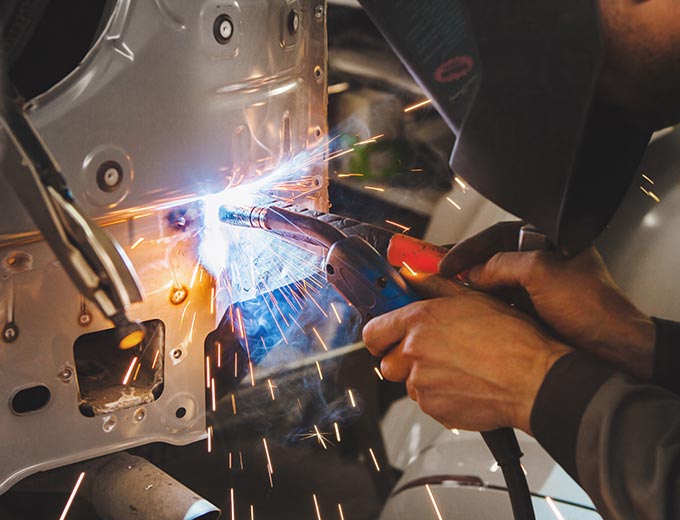
Modern industrial manufacturing rarely relies on a single process. Instead, successful welding and fabrication projects typically combine multiple techniques to achieve the desired results. When precision components require assembly or structural reinforcement, having both machining and joining capabilities under one roof offers significant advantages for your welding and fabrication needs.
Think about a complex machinery part. It might start as a raw metal block that undergoes precision CNC machining to achieve exact tolerances. Then, it needs to be joined with other components or reinforced at critical stress points. This transition from machining to welding and fabrication needs to be seamless to maintain the dimensional accuracy achieved during the initial processing.
Industry data shows that components machined to tight tolerances before welding and fabrication experience 30 percent fewer integration issues compared to parts that require post-assembly machining. This approach ensures cleaner joins, better fit between components, and ultimately stronger finished products that meet demanding industrial specifications.
Essential Joining Methods for Industrial Applications
Your choice of joining technology directly affects welding and fabrication project quality, cost, and timeline. Different applications demand different approaches, and understanding these options helps you specify the right method for your specific welding and fabrication requirements.
Traditional Arc Welding
Stick welding remains one of the most versatile joining methods available today. It excels in situations where portability matters, such as on-site equipment repairs or working in outdoor environments where wind would disrupt gas-shielded processes.
This method handles thick materials effectively and can work on surfaces that are not perfectly clean. For structural steel work, field repairs, or projects where the equipment needs to move to the workpiece rather than the other way around, traditional arc welding often provides the most practical solution.
Precision TIG Welding
When your project demands exceptional joint quality with minimal heat impact, tungsten inert gas welding delivers superior results. This process creates clean, precise joints that maintain material integrity and dimensional stability.
TIG welding particularly suits applications involving stainless steel, aluminum, titanium, and other materials where joint appearance and integrity directly affect component performance. Industries with stringent quality standards, such as aerospace and medical equipment manufacturing, frequently rely on TIG for critical applications.
MIG Welding for Production Efficiency
Metal inert gas welding balances speed, versatility, and quality, making it ideal for both prototype and production environments. The continuous wire feed system maintains consistent deposition rates, which proves valuable when you need multiple similar joints.
According to industry automation studies, properly implemented MIG welding can increase production efficiency by up to 400 percent compared to manual processes. This efficiency gain makes MIG particularly attractive for production runs involving repetitive joints on similar components.
Component Assembly and Structural Applications
The needs of your welding and fabrication project determine which approaches work best. Precision machined parts require different handling than large structural elements, and understanding these distinctions helps ensure successful outcomes in welding and fabrication.
Precision Component Assembly
When precision machined components need joining, the expertise of your manufacturing partner becomes critical. These parts often have tight tolerances that must be preserved during the joining process.
Successful approaches for complex geometries include controlled heat input, precision fixturing, and sequential joining strategies that minimize distortion. Professional teams consider how the process affects the precision achieved during machining, ensuring final assemblies meet all specified requirements.
Quality assurance for these assemblies typically involves non-destructive testing, dimensional verification, and material certification. This attention to detail proves essential when assemblies will face dynamic loads, high pressures, or demanding service conditions.
Structural Component Applications
Load-bearing elements such as equipment frames, support structures, and bases require a different approach. Here, strength and durability take priority over cosmetic appearance.
Heavy-duty applications typically employ processes that maximize penetration and deposition rates. The focus shifts to achieving proper fusion profiles, adequate joint size, and appropriate material properties for long-term structural integrity.
These applications also require consideration of fatigue resistance, stress distribution, and compliance with relevant structural codes. Experienced manufacturers understand how to design joint configurations that optimize performance while maintaining reasonable production costs.
Quality Standards and Industry Compliance
Quality in metal joining extends beyond visual inspection to include structural integrity, material properties, and compliance with industry-specific requirements. When you work with professional welding and fabrication services, you gain access to established quality systems that ensure consistent results across your welding and fabrication projects.
Meeting Industry Standards
Professional manufacturing begins with established procedures that govern every aspect of the joining process. These procedures define parameters such as current, voltage, travel speed, and shielding gas composition that must be followed for consistent results.
Quality control typically includes incoming material verification, in-process inspections, and final testing according to accepted standards. This systematic approach reduces variability and catches potential issues before they become costly problems.
Documentation and traceability provide confidence that components meet all applicable requirements. This proves particularly important for regulated industries where proper documentation is essential for regulatory compliance and liability protection.
High-Strength Requirements
Many industrial applications subject joined components to extreme loads, harsh environments, or demanding service conditions. These situations require specialized approaches and careful consideration of material selection.
High-stress applications often involve preheating, controlled cooling rates, or post-weld heat treatment to manage material properties and residual stresses. Professional teams understand how these processes affect final performance and can recommend appropriate approaches based on specific service conditions.
Materials engineering research indicates that proper material and process selection can extend component service life by 200 to 300 percent compared to poorly matched alternatives. This significant improvement justifies careful consideration during the planning phase.
The following table summarizes common applications and recommended approaches:
| Application Type | Primary Requirement | Recommended Process | Key Considerations |
|---|---|---|---|
| Precision machined parts | Dimensional accuracy, minimal distortion | TIG welding with low heat input | Careful fixturing, sequence planning |
| Structural frames | High strength, load capacity | Submerged arc or flux-cored MIG | Joint penetration, size optimization |
| Thin sheet metal | No burn-through, good appearance | Pulsed MIG or TIG | Heat control, travel speed management |
| Heavy equipment | Durability, field repair capability | Stick welding or flux-cored | Portability, environmental tolerance |
| Production assemblies | Consistency, speed | Automated MIG welding | Process stability, parameter monitoring |
| High-purity systems | Cleanliness, contamination control | TIG with high-purity shielding gas | Environment control, material cleaning |
The Value of Professional Expertise
The quality and consistency of joined components ultimately depend on the knowledge and experience of the professionals performing the welding and fabrication work. When you partner with established welding and fabrication services, you access teams with deep understanding across multiple processes, materials, and applications.
Technical Skills and Training
Certified specialists bring extensive training and practical experience across diverse applications. Professional welders develop the judgment and skill necessary to adapt to changing conditions, troubleshoot issues, and deliver consistent results even when facing challenging circumstances.
Beyond basic technique, proper training includes understanding material science, joint design, welding metallurgy, and quality standards. This comprehensive knowledge enables teams to make informed decisions that optimize both process parameters and final component performance.
Problem-Solving Capabilities
Complex projects often present unexpected challenges. Experienced teams can identify root causes, implement effective solutions, and minimize project delays without compromising quality or safety.
This problem-solving ability proves invaluable when projects involve unusual materials, tight tolerances, or demanding performance requirements. Rather than forcing a standard solution, professional teams can develop approaches tailored to your specific needs.
Comprehensive Service Capabilities
Multi-technique capabilities mean your service provider can adapt to changing project requirements without coordinating multiple vendors. This flexibility helps with prototype development and projects involving various components and materials.
The ability to handle different processes in-house also enables rapid response to design changes, emergency repairs, and urgent production requirements. When you work with comprehensive providers, you gain access to problem-solving expertise that can identify alternative approaches when original plans encounter obstacles.
Industry Applications and Use Cases
Joining and assembly processes serve virtually every manufacturing sector, each with specific requirements, standards, and challenges. Understanding how welding and fabrication applies to your industry helps you communicate effectively with service providers and optimize your welding and fabrication projects.
Equipment Manufacturing
Custom services for industrial machinery require understanding how different parts interact within complete systems. Professional teams approach these projects considering assembly sequences, maintenance access, and field service requirements.
Series production capabilities demand consistent processes and stable quality across potentially thousands of identical components. This level of consistency requires established procedures, trained personnel, and robust quality systems.
Rapid turnaround helps minimize downtime and accelerate product launches. Responsive service providers give you the agility to respond to changing market conditions and customer demands without sacrificing quality.
Diverse Manufacturing Sectors
Different industries require adaptation to specific regulatory standards, environmental conditions, and performance expectations. Professional teams develop expertise across multiple sectors, bringing cross-industry knowledge that can inspire innovative solutions.
Custom approaches for unique requirements might involve specialized materials, unusual joint configurations, or testing protocols that exceed standard practices. When your application has unique demands, experienced providers can develop tailored solutions.
Technology Integration and Innovation
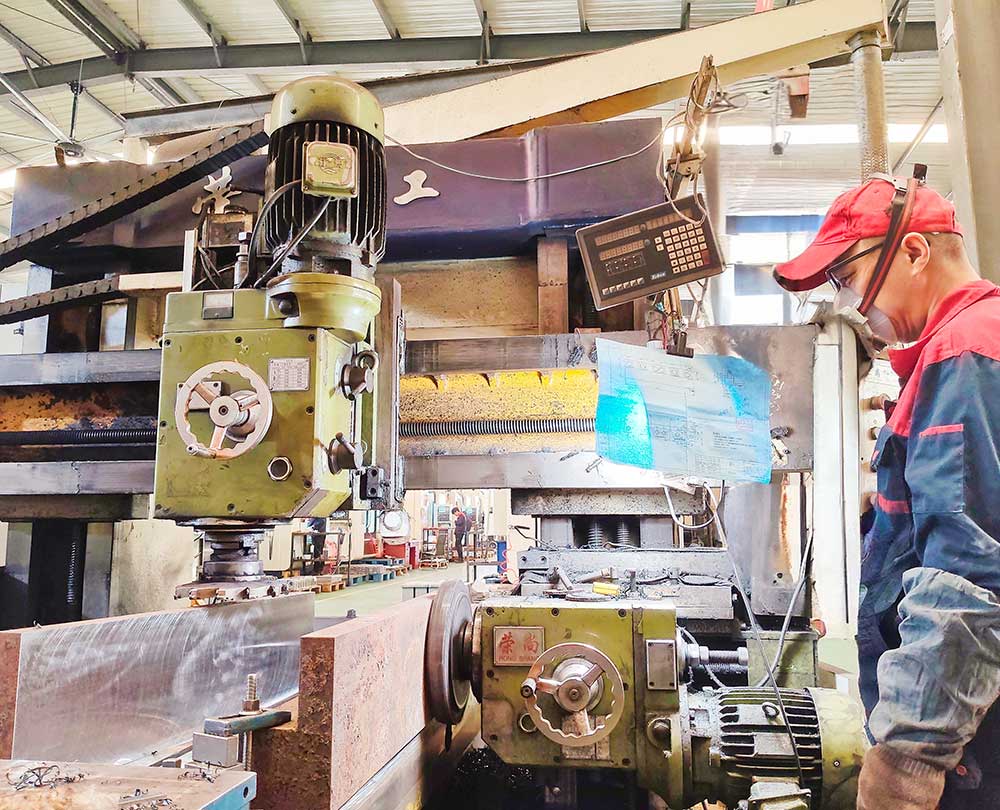
The field of welding and fabrication continues evolving with new technologies expanding capabilities and improving quality, efficiency, and consistency. Staying current with these developments helps you take advantage of new possibilities and maintain competitive advantages in welding and fabrication.
Modern Technology Integration
Innovation enhances precision applications in several key areas. Automated systems deliver consistent, repeatable results that reduce variability and improve quality while increasing productivity. Advanced monitoring systems provide real-time feedback, enabling immediate correction of deviations.
Modern equipment includes multi-process systems that switch between techniques without equipment changes, sophisticated control systems that adapt to changing conditions, and vision systems that guide robotic systems to precise locations even when parts vary slightly.
Future-Ready Solutions
Emerging technologies such as artificial intelligence for process optimization, additive manufacturing for complex geometries, and digital twin systems for simulation and prediction continue expanding what is possible. These technologies reduce costs while improving lead times and quality.
Customization for Unique Projects
Standard solutions cannot address every situation effectively. Professional teams take time to understand your specific needs, constraints, and objectives before developing customized approaches.
This flexibility enables adaptation to design changes, material substitutions, and requirement modifications that occur during product development. Responsive providers can accommodate these changes without significant schedule disruption or cost increases.
Cost Considerations and Efficiency
The economics of welding and fabrication extend beyond direct costs to include quality, lead time, inventory, and overall project management. Understanding these broader factors helps you make informed decisions that optimize total cost for your welding and fabrication projects.
Economic Advantages of Integration
Cost savings through integrated workflows arise from several sources. Reduced transportation and handling between processes minimizes damage risk and administrative overhead. Consolidated quality management eliminates duplicate inspections. Single-source responsibility simplifies project management.
Efficiency improvements come from optimized process sequences that minimize unnecessary operations, improved material utilization that reduces waste, and better coordination between manufacturing stages that eliminates bottlenecks.
ROI benefits become apparent when considering total cost of ownership rather than just purchase price. Components manufactured through integrated processes typically show better performance, longer service life, and lower maintenance requirements.
Lead Time Optimization
Streamlined processes eliminate non-value-added activities such as excessive material handling, redundant inspections, and communication delays between vendors. When coordinated through a single provider, project timelines compress naturally while quality actually improves.
Minimizing delays requires anticipating potential issues before they become problems. Experienced providers develop this foresight through extensive project experience and continuous improvement initiatives.
Quality Assurance and Control
Quality must be built into welding and fabrication processes rather than inspected into products. Professional providers implement comprehensive quality systems addressing every aspect of production from design through delivery for your welding and fabrication needs.
Precision Standards
Requirements for machined components extend beyond dimensional tolerances to include control of heat-affected zones, penetration consistency, and material property maintenance. Achieving this level requires sophisticated equipment, detailed procedures, and trained personnel.
Quality control systems incorporate multiple verification layers including in-process monitoring, inspection, testing, and documentation. These systems ensure deviations from specified requirements are detected and addressed before components leave the facility.
Durability and Longevity
Techniques for extended product lifespan consider fatigue resistance, corrosion protection, stress distribution, and material compatibility. When properly addressed, components can deliver reliable performance far longer than poorly designed alternatives.
Material integrity for harsh operating conditions requires understanding how joining affects material properties. Professional teams bring this materials engineering perspective to every project, ensuring finished components perform as intended in actual service environments.
Choosing the Right Manufacturing Partner
The choice of partner significantly impacts welding and fabrication project success, component quality, and long-term satisfaction. Evaluating potential providers thoroughly pays dividends throughout your relationship for welding and fabrication services.
Evaluating Capabilities
Technical expertise assessment should include personnel certifications, equipment capabilities, process documentation, and industry experience across applications similar to yours. Request evidence of successful projects and ask how they approached challenges comparable to yours.
Modern facilities typically include CNC cutting equipment, various power sources, material handling systems, testing equipment, and clean assembly areas. Tours of provider facilities can reveal much about capabilities and quality focus.
Certification and quality systems provide objective evidence of commitment to quality and continuous improvement. Look for certifications relevant to your industry, documented quality systems, and evidence of regular audits.
The Value of Expertise
Specialist knowledge becomes most apparent when facing complex challenges requiring innovative solutions. Experienced providers bring knowledge across multiple industries and applications that can inspire approaches less specialized providers might never consider.
Risk reduction occurs at multiple levels through proper procedures, trained personnel, and established quality systems. When these factors combine, the probability of project problems decreases dramatically.
Long-term partnership benefits develop as providers learn your preferences, requirements, and priorities. These established relationships enable faster response times, better communication, and increasingly efficient approaches to ongoing needs.
Future Trends and Industry Evolution
The welding and fabrication industry evolves rapidly, driven by technological advances, market demands, and competitive pressures. Understanding these trends helps you anticipate future requirements and position your organization to take advantage of emerging opportunities in welding and fabrication.
Technology Evolution
Automation and robotics continue advancing, with increasingly sophisticated systems capable of handling complex geometries, varying positions, and adaptive processes that respond to real-time conditions. These advances improve quality consistency while reducing labor costs and increasing productivity.
Advanced materials requiring innovation include high-strength alloys, composite materials, and hybrid structures. Professional teams continuously develop new approaches to join these materials effectively while maintaining required properties.
Sustainability Considerations
Eco-friendly practices include improved energy efficiency, reduced material waste, and decreased emissions. Modern equipment delivers better performance with significantly lower power consumption, while advanced cutting systems minimize waste.
Energy efficiency improvements continue through equipment advances, process optimization, and facility design. These improvements reduce operating costs while decreasing environmental impact, creating benefits for both the bottom line and sustainability goals.
Environmental compliance addresses regulations concerning emissions, waste disposal, and workplace safety. Established providers stay current with evolving requirements and implement systems ensuring compliance without excessive burden.
Strategic Value for Industrial Projects
Understanding the comprehensive nature of these processes helps you leverage welding and fabrication strategically rather than treating them as commodity services. When you approach joining and fabrication as integral elements of your overall manufacturing strategy, you can achieve competitive advantages beyond basic component supply through effective welding and fabrication solutions.
Key Benefits of Integrated Services
Competitive advantages include faster time to market, lower total cost of ownership, and improved product performance. These advantages compound over time as your provider learns your business and develops increasingly efficient approaches.
Quality and efficiency gains result from integrated processes, stable parameters, and continuous improvement initiatives. These gains translate into better products that meet customer expectations while maintaining reasonable costs and reliable delivery.
Future-proofing through professional partnerships ensures access to emerging technologies, expanded capabilities, and evolving expertise. As needs evolve, established providers can grow with you, avoiding disruption from changing suppliers.
Planning Your Project
Assessing requirements begins with clear definition of project objectives, technical requirements, quality standards, and timeline expectations. This preparation helps ensure potential providers understand your needs accurately.
Planning with expert consultation enables identification of potential challenges before they become problems, optimization of process sequences for efficiency and quality, and selection of appropriate approaches for specific applications.
When ready to discuss requirements, gather relevant information including drawings, material specifications, quality standards, and delivery expectations. This preparation enables productive discussions that move toward concrete solutions.
The right manufacturing partner becomes an extension of your team, contributing expertise, capabilities, and commitment that help achieve business objectives. Selecting providers with demonstrated experience, comprehensive capabilities, and quality focus positions your organization for success in competitive markets where quality, reliability, and responsiveness matter.
FAQ
What is the difference between welding and fabrication in metal manufacturing?
Welding joins metals through fusion to create strong bonds between components, while fabrication encompasses the broader process of cutting, forming, and assembling metal structures from raw materials.
Which welding methods work best for industrial fabrication projects?
The choice depends on your specific needs. TIG welding offers precision for thin materials and critical applications, MIG welding provides speed and efficiency for production runs, and stick welding handles heavy structural work and field repairs effectively.
How do I choose the right welding and fabrication service provider?
Look for providers with certified welders, modern equipment capabilities, comprehensive quality systems, and experience with projects similar to yours. Ask about their approach to quality control, lead times, and how they handle technical challenges.
What factors affect the cost of welding and fabrication services?
Multiple elements influence pricing including material type and thickness, project complexity, required precision levels, volume requirements, and turnaround time. Professional providers can help optimize these factors to balance cost and quality.
Can welding and fabrication processes work together for complex projects?
Yes, integrated approaches that combine both processes under one provider often deliver better results by eliminating coordination between multiple vendors, maintaining dimensional consistency, and reducing handling damage risks. This integration particularly benefits projects requiring both precision machining and structural assembly.
Latest News
Contact Us
FAQ
What types of parts can be machined?
We can machine a wide range of high-precision CNC parts for automotive, aerospace, medical devices, industrial machinery, and automation equipment, including complex geometries and custom non-standard parts.
What is the machining accuracy?
We can achieve high-precision machining with ±0.005mm tolerance and ensure consistent quality through our strict quality control system.
Can you provide small-batch and prototype manufacturing services?
Yes, we support small-batch production and prototype machining, with flexible scheduling to meet urgent client requirements.
Do you offer customized processing solutions?
Yes, we provide customized solutions with one-on-one technical support, from design review and process optimization to final machining.
How long does delivery usually take?
Delivery time depends on part complexity and quantity, typically within 1-6 weeks. We provide a detailed schedule upon order confirmation.
What certifications are available for quality management systems?
We hold ISO 9001, ISO 14001, and ISO 45001 certifications, strictly following international quality, environmental, and safety standards.
How long does delivery usually take?
Delivery time depends on part complexity and quantity, typically within 1-6 weeks. We provide a detailed schedule upon order confirmation.