
Metal Machined Parts: A Complete Guide to Precision Manufacturing
Home
/
Blog
/
Metal Machined Parts: A Complete Guide to Precision Manufacturing
Metal Machined Parts: A Complete Guide to Precision Manufacturing
February 28, 2026
Table of Contents
When you’re designing or sourcing parts for any high-precision application, understanding metal machined parts is essential. These components are produced using subtractive manufacturing processes where material is precisely removed from a workpiece to achieve specific dimensions, tolerances, and surface finishes. Whether you’re an engineer, product designer, or procurement professional, knowing how metal machined components are made, what materials are suitable, and how to specify tolerances can make a substantial difference in cost, quality, and performance.
This guide walks you through the fundamentals of metal machined parts, their manufacturing processes, material selection, precision requirements, surface finishes, cost considerations, design tips, industry applications, supplier selection, and frequently asked questions.
What Are Metal Machined Parts?
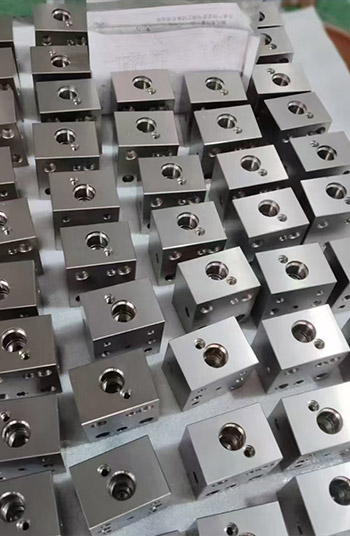
Metal machined parts are components shaped through controlled removal of material using machines such as CNC mills, lathes, or grinding tools. Unlike cast or forged parts, machined parts allow for tighter tolerances, more complex geometries, and superior surface finishes.
You should think of these components as the building blocks of precise assemblies. Industries like aerospace, automotive, medical devices, and industrial machinery rely heavily on metal machined parts due to their dimensional accuracy and reliability.
Common applications include:
- Shafts and axles
- Housings and enclosures
- Fittings and connectors
- Brackets and mounting components
- Valve bodies and fluid control components
Choosing a metal machined part over alternative manufacturing methods often comes down to performance requirements and tolerance needs.
The Metal Machining Process Explained
Understanding how metal machined components are made helps you specify designs more realistically and cost-effectively.
CNC Milling vs CNC Turning
- CNC Milling involves removing material using rotating cutters. It’s suitable for creating complex shapes and features such as pockets, slots, and cavities.
- CNC Turning uses a rotating workpiece against a stationary cutting tool, ideal for cylindrical components like shafts and bushings.
Grinding and EDM
For ultra-precision features, surface grinding and electrical discharge machining (EDM) are often applied. Grinding allows tolerances within microns, while EDM can create intricate geometries in hard metals that traditional cutting cannot.
Step-by-Step Workflow
- Design and CAD modeling
- Material selection
- CNC program generation and toolpath simulation
- Rough machining
- Finishing passes for tight tolerances
- Inspection and quality control
- Secondary operations (deburring, coating, heat treatment) if required
Quality Control
Inspection using coordinate measuring machines (CMMs) ensures that tolerances are met. According to manufacturing reports, parts that fail tolerance checks account for approximately 5–10% of scrap in standard CNC operations, making robust inspection critical.
Materials Used in Metal Machined Parts
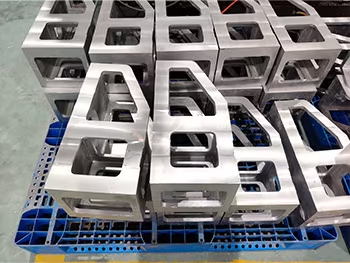
The material you choose affects machinability, cost, surface finish, and final part performance.
Common Metals
- Aluminum: Lightweight, easy to machine, and excellent corrosion resistance
- Stainless Steel: Strong and corrosion-resistant, slightly harder to machine
- Titanium: Very strong, lightweight, and corrosion-resistant but requires specialized tooling
- Brass: Good machinability and conductive properties
- Copper: Excellent thermal and electrical conductivity
- Carbon Steel: Affordable and versatile for many applications
How Material Impacts Machining
Material hardness, thermal expansion, and chip formation influence achievable tolerances and surface finishes. For example, plastics or softer metals may expand during machining, requiring adjustments to dimensions, whereas hard metals like titanium increase tool wear and slow production rates.
Precision and Tolerances in Metal Machining
Tolerance defines the permissible deviation from a nominal dimension. Choosing appropriate tolerances is critical because tighter tolerances increase both cost and manufacturing complexity.
| Feature | Typical CNC Tolerance | Notes |
|---|---|---|
| CNC Milling | ±0.005 in (0.13 mm) | Standard parts, general machining |
| CNC Turning | ±0.005 in (0.13 mm) | Cylindrical components |
| Grinding | ±0.0001 in (0.0025 mm) | Ultra-precision surfaces |
| EDM | ±0.0002 in (0.005 mm) | Complex geometries, micron-level precision |
Real-world example: A rotating shaft assembly required bore tolerances of ±0.002 in for smooth bearing operation. By carefully specifying critical tolerances only where function demanded, scrap rate decreased from 12% to 3%, while overall cost dropped by 18%.
Surface Finishes and Post-Processing Options
The surface finish affects not only aesthetics but also part performance, wear resistance, and assembly fit.
Common Surface Finishes
- Machined Ra: 32–125 µin for general parts
- Polished: for aesthetic or friction-reducing surfaces
- Anodized or coated: improves corrosion resistance
Secondary processes like deburring, heat treatment, and coatings are applied based on functional requirements. Choosing the right combination ensures durability without unnecessary costs.
Cost Factors in Metal Machined Parts
Understanding cost drivers helps you make smarter engineering and procurement decisions.
- Material Costs: Harder or exotic metals increase raw material cost and tool wear.
- Tolerance: Tight tolerances require slower speeds and more inspection.
- Volume: High-volume production can reduce per-part cost, but low-volume custom parts may be more expensive.
- Complexity: Features such as deep pockets or intricate geometries extend cycle time.
Strategically relaxing tolerances on non-critical surfaces can lower costs significantly without affecting part functionality.
Design Tips for Metal Machined Parts
You can design smarter parts to reduce cost and improve manufacturability.
- Avoid overly complex features unless functionally necessary
- Keep wall thickness consistent to prevent distortion
- Group features to minimize tool changes
- Consider standard hole sizes and threads to reduce machining time
Case study: An aluminum housing redesign reduced machining time by 22% by simplifying internal channels and standardizing hole diameters, without affecting functionality.
Industry Applications of Metal Machined Components
- Aerospace and Defense: Tight tolerances and lightweight, high-strength components
- Automotive: Engine components, brackets, and precision fittings
- Medical Devices: Surgical instruments, fluid control components
- Industrial Equipment: Shafts, valves, and precision housings
These applications demand not just accuracy but reliability under operational stress, which is why metal machined parts are preferred.
Choosing the Right Metal Machining Supplier
Selecting the right supplier is as critical as designing the part itself.
- Look for experience with similar materials and part sizes
- Check certifications and quality control standards
- Confirm they can meet volume, tolerance, and surface finish requirements
- Evaluate communication and engineering support for design guidance
Working with a capable supplier ensures consistency, reduces risk, and can even help optimize your design for cost and performance.
Conclusion
When specifying and sourcing metal machined parts, you control the balance between precision, cost, and manufacturability. By understanding the processes, tolerances, material options, surface finishes, and supplier capabilities, you can ensure reliable performance and cost-effective production. Smart design choices, selective tolerance specification, and collaboration with experienced suppliers can turn your engineering ideas into parts that perform exactly as intended, with minimal waste and optimal efficiency.
FAQ
What are metal machined parts?
They are components made by removing material from a workpiece using machines like CNC mills, lathes, and grinders.
How are metal machined components manufactured?
The process involves CAD modeling, material selection, CNC programming, machining, finishing, and inspection.
Which metals are easiest to machine?
Aluminum, brass, and some plastics are easier, while titanium and hardened stainless steel are more challenging.
What tolerances can metal machined parts achieve?
Standard CNC parts typically achieve ±0.005 in, while grinding or EDM can reach micron-level tolerances.
Metal machined parts vs cast parts: which is better?
Machined parts offer tighter tolerances, better surface finish, and more complex geometries, while cast parts are often cheaper for large-volume, less precise components.
How does material selection impact machining cost?
Harder or exotic metals increase tool wear, cycle time, and inspection costs.
How do you choose a metal machining supplier?
Evaluate their capabilities, experience, certifications, and communication. Make sure they can consistently meet your specifications.
Latest News
Contact Us
FAQ
What types of parts can be machined?
We can machine a wide range of high-precision CNC parts for automotive, aerospace, medical devices, industrial machinery, and automation equipment, including complex geometries and custom non-standard parts.
What is the machining accuracy?
We can achieve high-precision machining with ±0.005mm tolerance and ensure consistent quality through our strict quality control system.
Can you provide small-batch and prototype manufacturing services?
Yes, we support small-batch production and prototype machining, with flexible scheduling to meet urgent client requirements.
Do you offer customized processing solutions?
Yes, we provide customized solutions with one-on-one technical support, from design review and process optimization to final machining.
How long does delivery usually take?
Delivery time depends on part complexity and quantity, typically within 1-6 weeks. We provide a detailed schedule upon order confirmation.
What certifications are available for quality management systems?
We hold ISO 9001, ISO 14001, and ISO 45001 certifications, strictly following international quality, environmental, and safety standards.
How long does delivery usually take?
Delivery time depends on part complexity and quantity, typically within 1-6 weeks. We provide a detailed schedule upon order confirmation.